11 Aug 26 AIdentity – The Past Through Modern Lenses Successfully Completed
With a public closing event on 1 August 2026, our international summer school AIdentity – The Past Through Modern Lenses came to a successful conclusion. Over two intensive weeks, young people from Germany, Poland, Italy and Ukraine came together in Görlitz and Zgorzelec to explore the history of National Socialism, different perspectives on remembrance, and the opportunities and challenges presented by artificial intelligence.
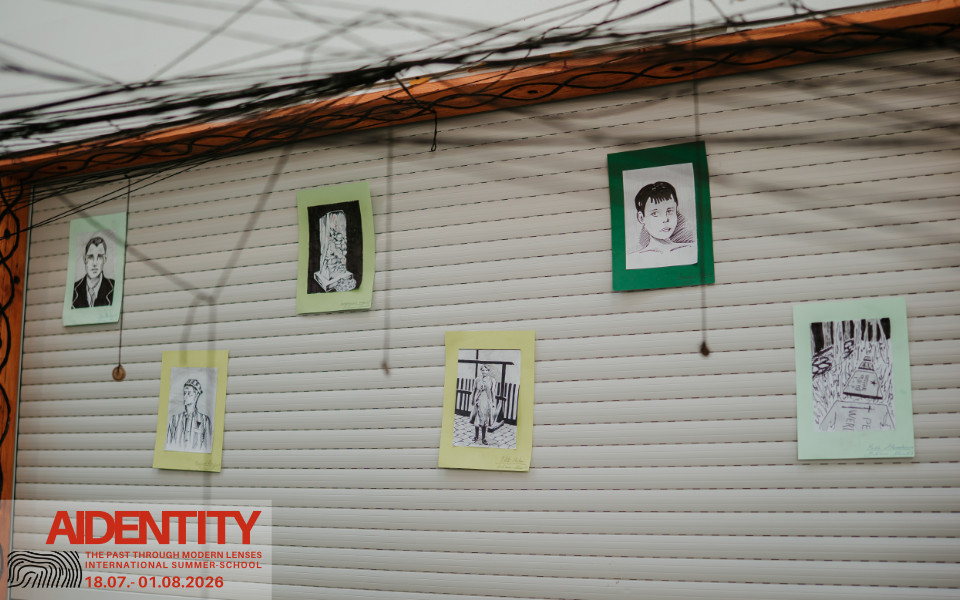
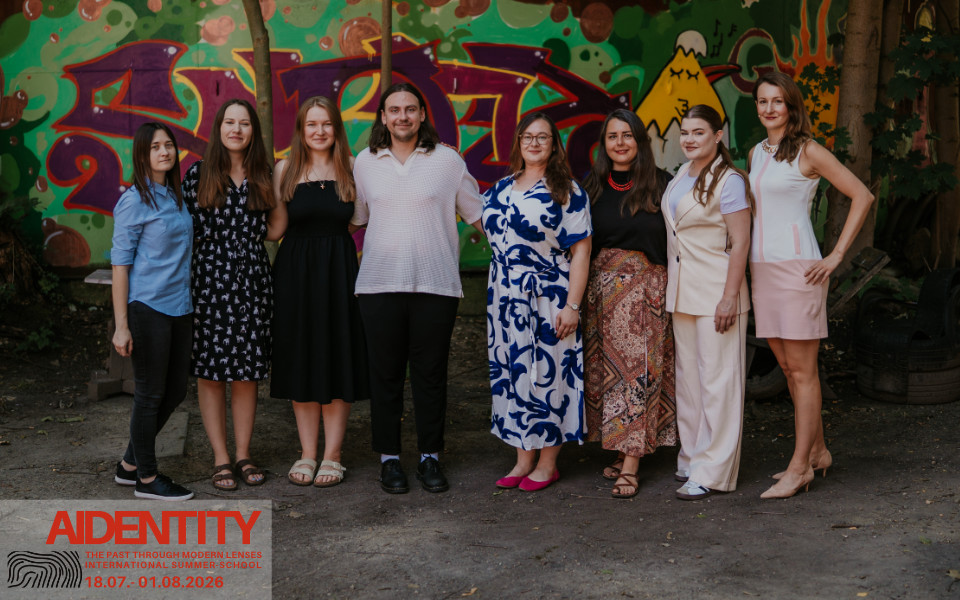
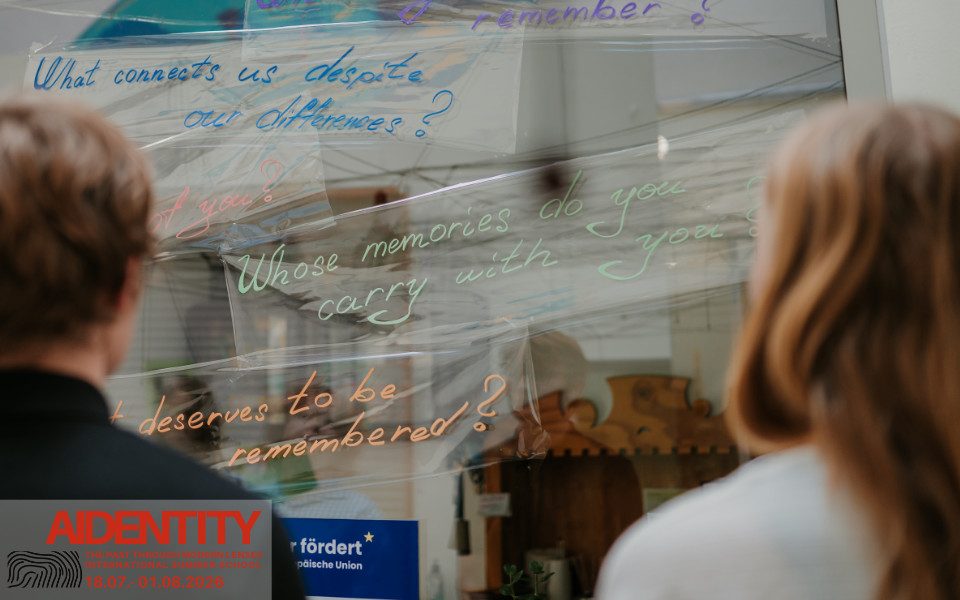
The first week of the project focused on historical and civic education at authentic places of remembrance. Participants visited the Stalag VIII A Memorial in Zgorzelec, the Gross-Rosen Memorial and the Großschweidnitz Memorial. At these sites, they explored the experiences of different groups persecuted under National Socialism, including prisoners of war, forced labourers and victims of the Nazi “euthanasia” crimes. Workshops, discussions and engagement with historical sources offered a multi-perspective approach to the past and demonstrated the many different ways in which remembrance can be shaped and communicated.
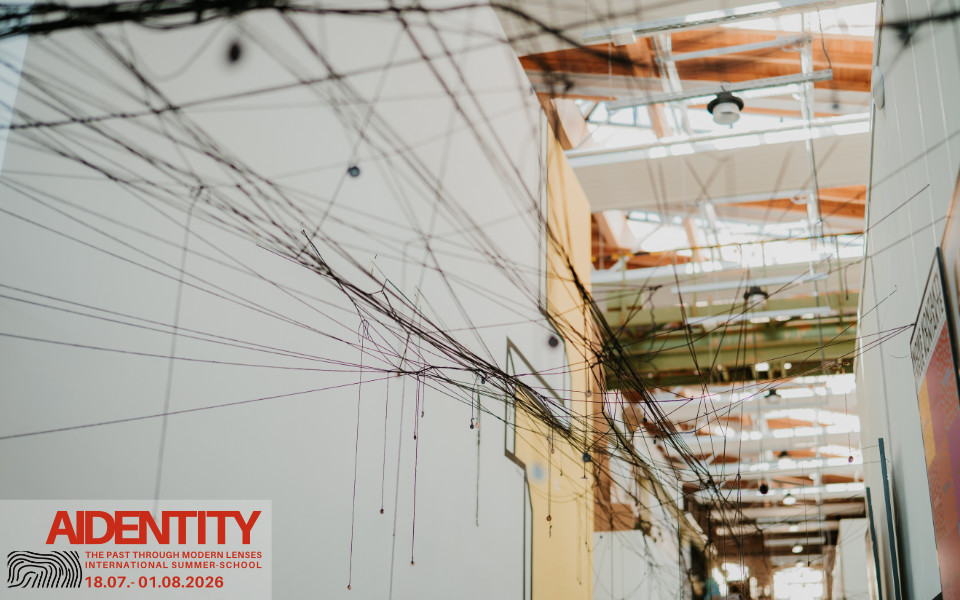
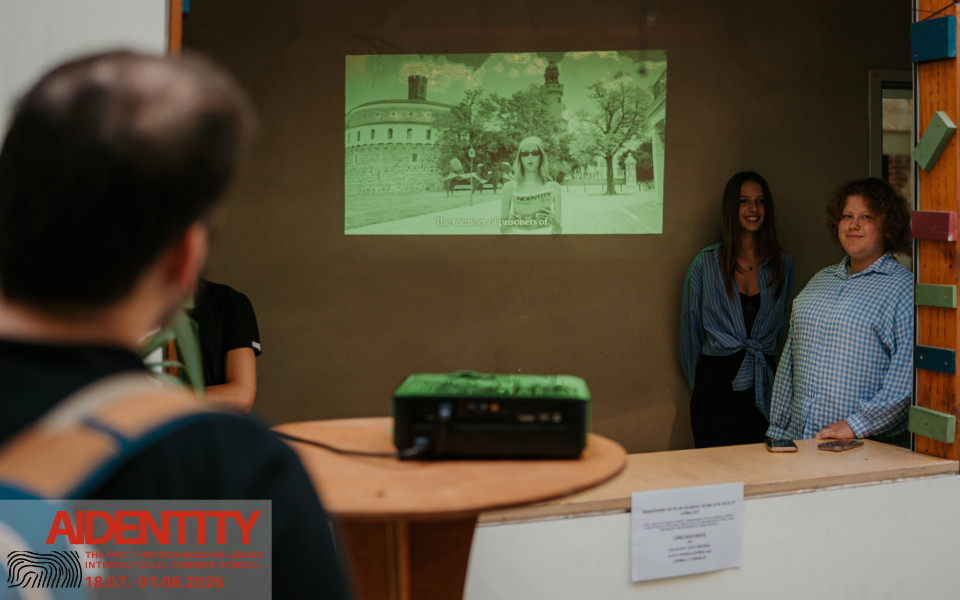
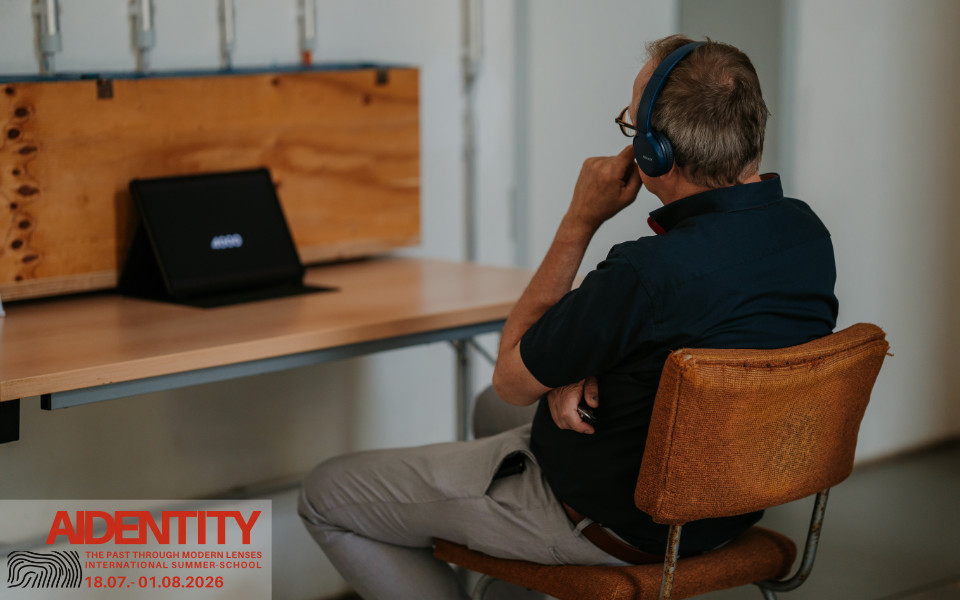
In the second phase of the programme, the focus shifted to artificial intelligence. Together, the participants explored the possibilities and limitations of AI in historical and civic education and remembrance culture. They discussed questions of authenticity, responsibility and transparency: How is AI changing the way we engage with the past? What opportunities does it offer for communicating complex historical topics? Where are its limits, and what ethical questions arise from its use? Building on these two workshop phases, the international teams developed their own creative projects. The results included a podcast, an interactive exhibition, videos and various digital formats combining historical content with contemporary methods. The aim was not simply to become familiar with new technologies, but to reflect critically on their use and learn how to apply them responsibly.
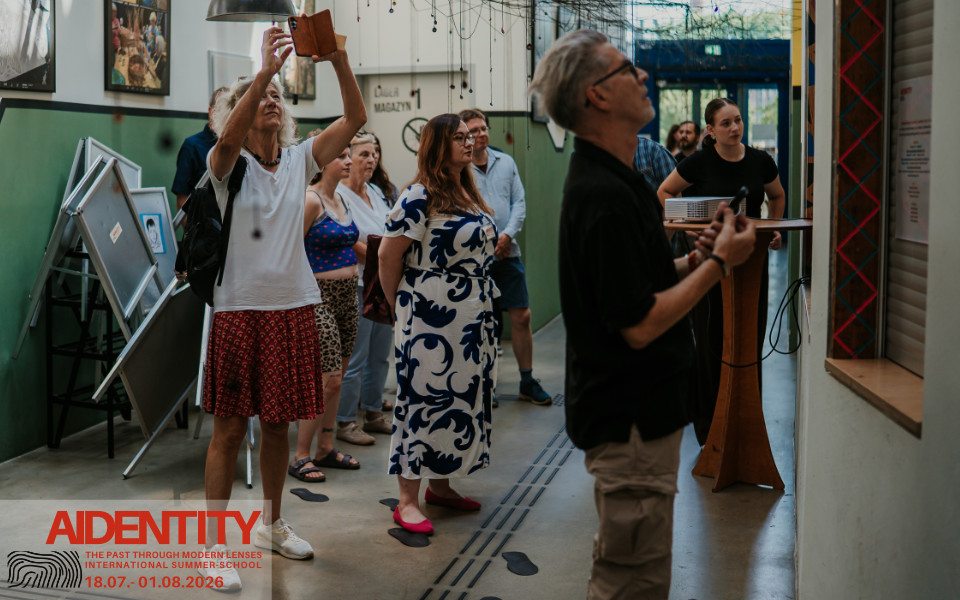
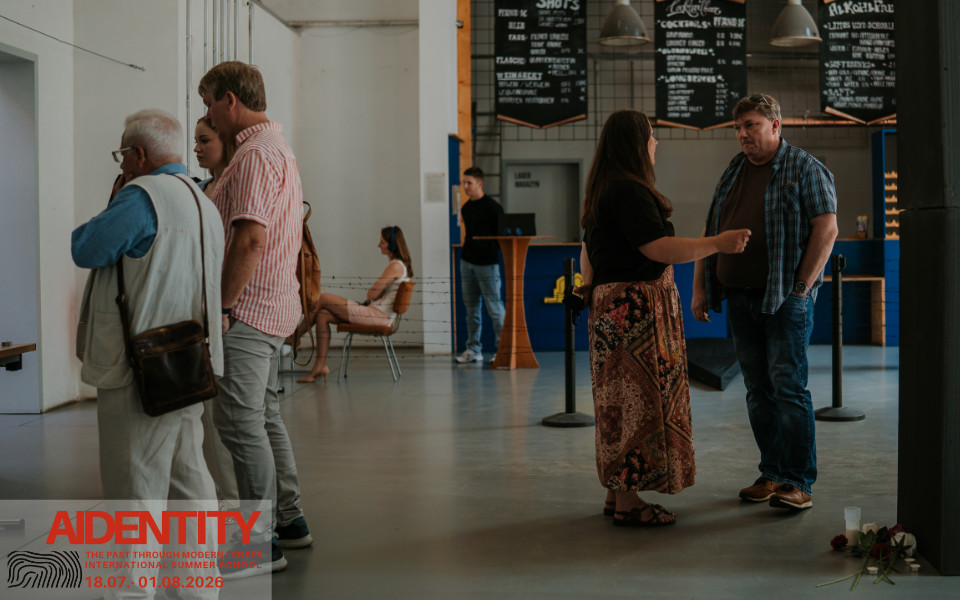
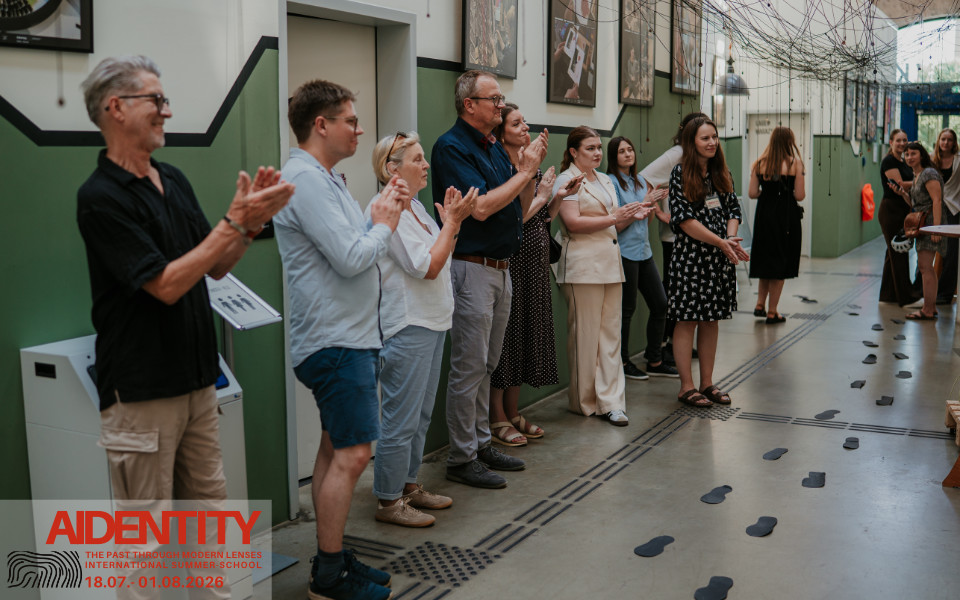
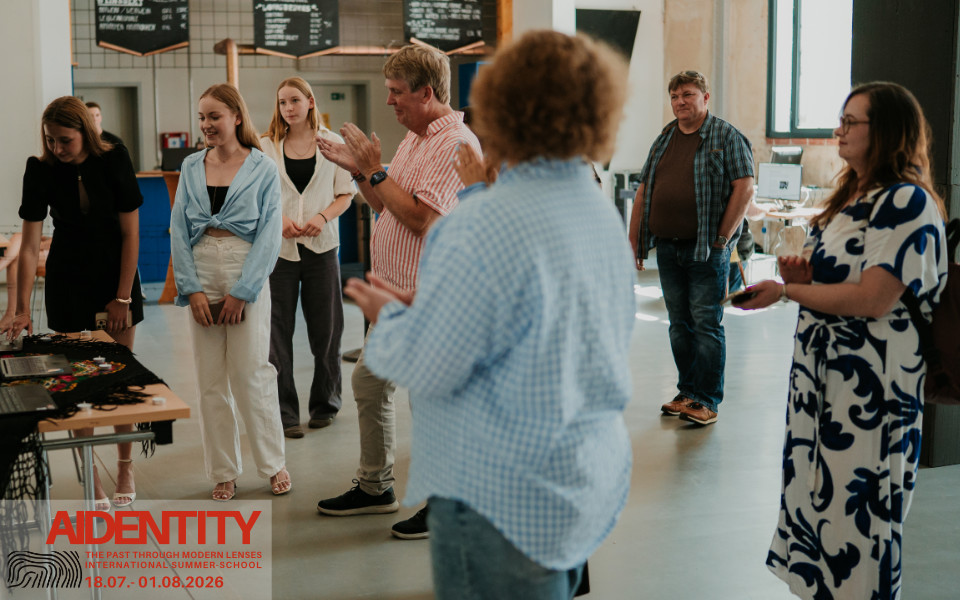
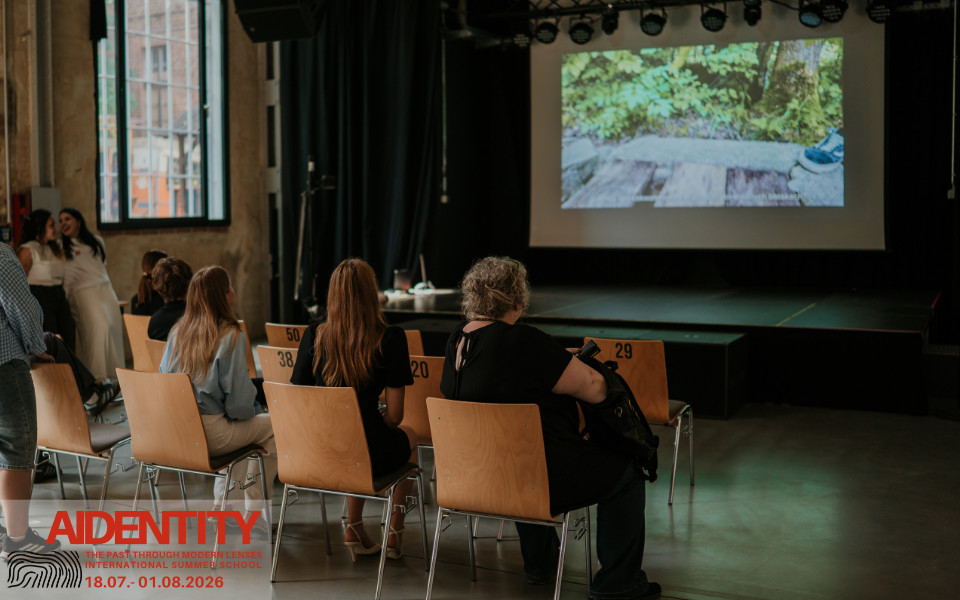
The project concluded on 1 August with a public presentation at Rabryka in Görlitz, where the participants presented the results of their work to an interested audience. The projects demonstrated how history, personal perspectives and digital technologies can be brought together without losing sight of our responsibility towards the past.
AIdentity showed that international youth exchanges are about far more than the transfer of knowledge. Bringing together young people from four countries opened up new perspectives on history, remembrance and the present. At the same time, new friendships were formed across borders, new ideas emerged, and participants developed a shared understanding of how important a critical and reflective approach to both the past and the possibilities of artificial intelligence is for our future. Beyond its focus on history and artificial intelligence, AIdentity also aimed to strengthen the participants’ personal and social development. Working in international teams encouraged communication skills, intercultural competence and a greater awareness of different perspectives and experiences. At the same time, the young people developed practical methodological and digital skills – ranging from historical research and source criticism to the reflective use of AI tools and the development and production of their own media formats.
Self-organisation was an important part of this process. The groups were responsible for developing their own ideas, dividing tasks, making decisions, managing their time and resources, and finding solutions together when things did not go according to plan. In this way, the project provided not only subject-specific knowledge, but also practical skills that extend far beyond the two weeks of the summer school. The final projects demonstrate that participants did not simply absorb information: they questioned it independently, developed it further and transformed what they had learned into their own forms of expression. For us, this is one of AIdentity’s most important achievements.
We would like to sincerely thank all participants, workshop leaders, team members, partner organisations and supporters who made this project possible. Our special thanks go to our funders: Erasmus+, the Partnership for Democracy of the City of Görlitz, the Cultural Foundation of the Free State of Saxony and the Youth Funding Programme of the City of Görlitz.
We would also like to thank the Stalag VIII A Memorial, the Gross-Rosen Memorial and the Großschweidnitz Memorial for their valuable cooperation; Rabryka Görlitz for hosting us during the creative phase; Peregrinus Herberge Görlitz for accommodating our international group; Słodkie Słone for the excellent catering; and Radwerk Görlitz for its long-standing and reliable support of our international youth projects.
We look back on two intensive, inspiring and moving weeks and look forward to carrying the ideas and experiences developed during AIdentity into our future educational work.